Mastering Interaction Dynamics #3 — Aligning Accurately With Emotions
When real life is on the line, it’s critical to be accurate in communication. It’s vital to distinguish between thoughts and feelings, because it doesn’t work to think your feelings or feel your thoughts. To be present with each takes a different skill.

“We must be careful not to make intellect our God—it has powerful muscles but no personality.”
— Albert Einstein
In order to effectively ride the waves of emotive life force, it’s necessary to be accurate with the perception, the experience, and the expression of just what those feelings are.
Unfortunately, most of us have been trained by our repressive culture to talk about our feelings in almost exactly the opposite manner from what is needed.
What works in fulfilling and sharing true feelings is to identify the experience with a word that resonates with and even amplifies the vibration in your body. Examples of this are: I feel angry, I feel sad, I feel afraid, and I feel happy.
Accurately aligning with these simple states of being allows for the body and the psyche to complete the vibrational experience, liberating us to move to the next level. It’s like releasing our breath when we have been holding it. It allows nature to take its course through us, rather than trying to resist and control, even to stifle the natural flow of the motive force which animates our very lives.
Instead, our culture, inadvertently and unconsciously trains us to use what I call “-ED” words instead.
Examples: I feel bored, depressed, perturbed, annoyed, agitated, outraged, dejected, discouraged, terrified, frightened, and even on the more pleasant end of the spectrum: I feel thrilled, exalted, relieved, fulfilled, satisfied, amused, pleased.
Grammatically, these are known as “past participles” (“a word derived from a verb that can be used as an adjective to … form the passive voice. It refers to an action that was started and completed in the past.”) But what’s important is that what these words really do is they put a lid on our experience of feeling. These words do this by taking a simple alive feeling and turning it into an energetic description that gives our power over to something or someone outside of ourselves…and puts it in the past tense. This act of blaming something else and taking us out of the present, squashes our ability to fulfill on our natural emotion and to share that process with someone else in an intimate way.
Here’s an animation of how the natural cycle of emotions works, and how to free ourselves from our indoctrinated repression. (Please watch this short video if you want this chapter to make the most sense!)
When we take full accountability for our direct experience, it supports our agency over our own actions and also shares our feelings in a way that is open and vulnerable — drawing someone naturally into listening — rather than blaming and attacking another while isolating ourselves.
Just as with Elisabeth Kubler-Ross’s stages in preparation for dying — denial, anger, grief, fear, acceptance… the natural cycle of simple emotions is apathy, anger, sadness, fear and joy.
Here’s a chart that lays out the contrast between the simple expression of the actual alive feeling and the enculturated suppression with “-ED” adjectives that gives away our power to feel and to share our feelings effectively with others.
Feelings
In the left column are real feelings. In the center are the basic categories they fit into. On the right are words we tend to use that mask or suppress the authentic and full experience of the emotional state.
| Feeling | State | Illusion |
|---|---|---|
| (True feeling) | (True state) | (Victim’s point of view) |
| don’t care | apathy | depressed |
| numb to feeling | bored | |
| angry | anger | angered |
| grouchy | upset | |
| spiteful | exasperated | |
| resentful | perturbed | |
| bitter | aggravated | |
| rebellious | annoyed | |
| furious | agitated | |
| defiant | irritated | |
| mad | frustrated | |
| outraged | ||
| peeved | ||
| enraged | ||
| incensed | ||
| sad | sadness | saddened |
| blue | hurt | |
| miserable | dejected | |
| gloomy | troubled | |
| low | discouraged | |
| forlorn | rejected | |
| sullen | ||
| grim | ||
| afraid | fear | scared |
| panicky | freaked | |
| desperate | shocked | |
| timid | terrified | |
| fearful | frightened | |
| anxious | tormented | |
| nervous | ||
| happy | joy | excited |
| cheerful | elated | |
| merry | thrilled | |
| good | moved | |
| enthusiastic | exalted | |
| joyful | relieved | |
| whole | fulfilled | |
| peaceful | satisfied | |
| free | amused | |
| serene | soothed | |
| pleased |
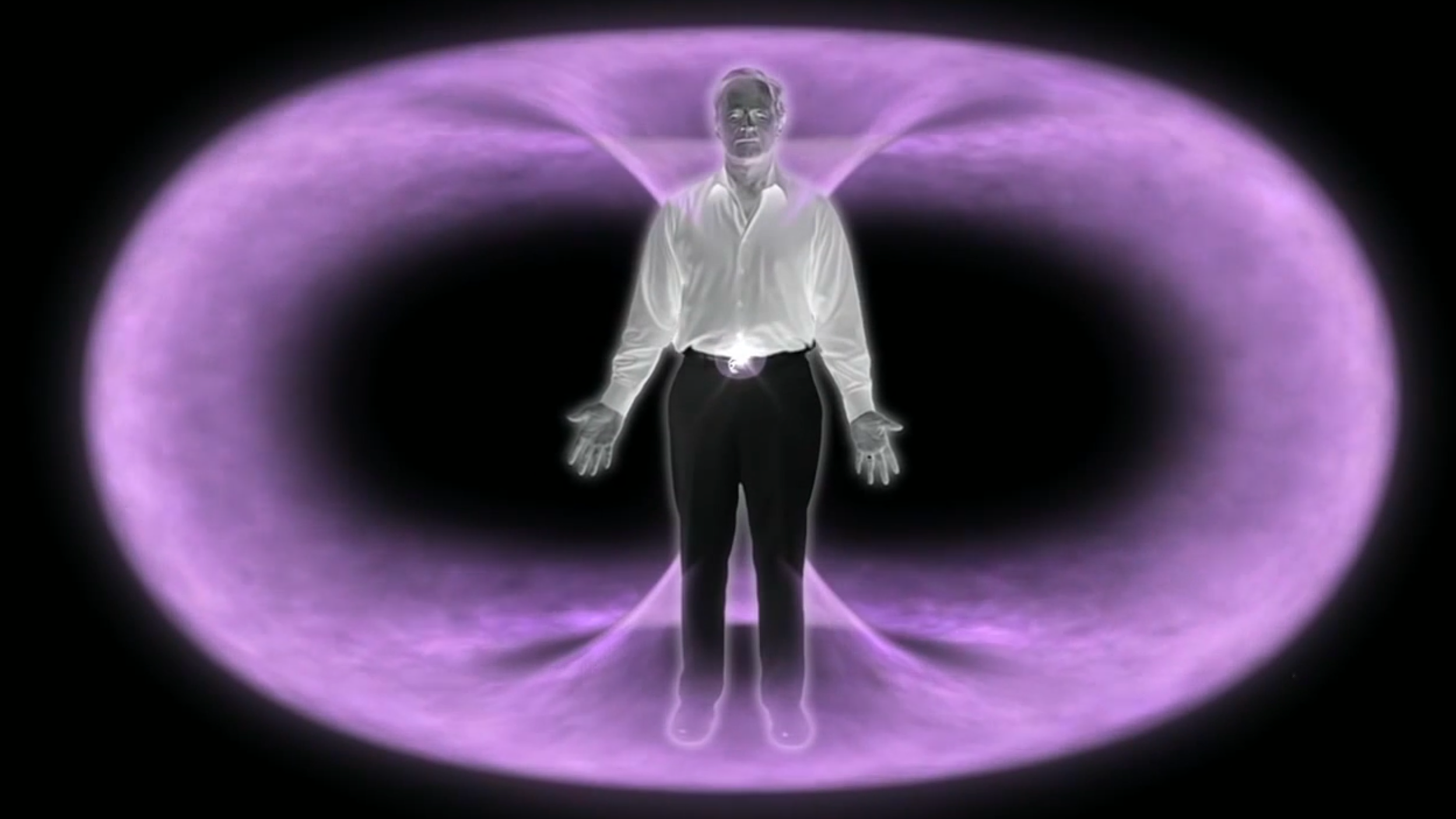
When we can genuinely and accurately identify the actual, real feeling, we can feel that feeling and let a friend or loved one truly know what’s going on with us. When we can “re-create” in our consciousness what is going on in our body and our psyche and especially if we can do that with another, there is a wondrous dynamic where the feeling disappears, the energy expands to the next level, and our natural toroidal energy system can return to center, balance, and grow in its confidence and radiance.
In the coming days, see if you can pay attention to your feelings, how accurately you identify them, how much you allow yourself to feel them, and how effectively you share them with others.
In my next blog, Mastering Interaction Dynamics #4, I will unpack the most advanced skill in effective communication — accurate and compassionate listening.